
South Korean police, working with authorities in the United Arab Emirates, have arrested three suspects accused of running an illegal online gambling network worth an estimated 3.1 trillion won, or $2.3 billion. Two of the men have already been repatriated to Seoul, while negotiations continue over the extradition of the alleged ringleader. The case is the latest in a sustained South Korea illegal gambling crackdown that has implications for how operators and sponsors vet their partners across Asian markets.
What happened in the South Korea illegal gambling case
Three Korean suspects accused of running an illegal online gambling operation worth 3.1 trillion won ($2.31 billion) from overseas have been arrested in the United Arab Emirates following a joint investigation with local authorities
.
Two suspects — the No. 2 figure in the ring and a developer — were repatriated to Korea through Incheon International Airport on Wednesday
, while South Korean officials continue to negotiate the return of the alleged ringleader.
The operation, run by a joint South Korean task force, was
conducted by South Korea’s government-wide Transnational Crime Special Response Task Force in cooperation with UAE authorities, codenamed HALAK, an Arabic term meaning destruction
. Investigators allege the
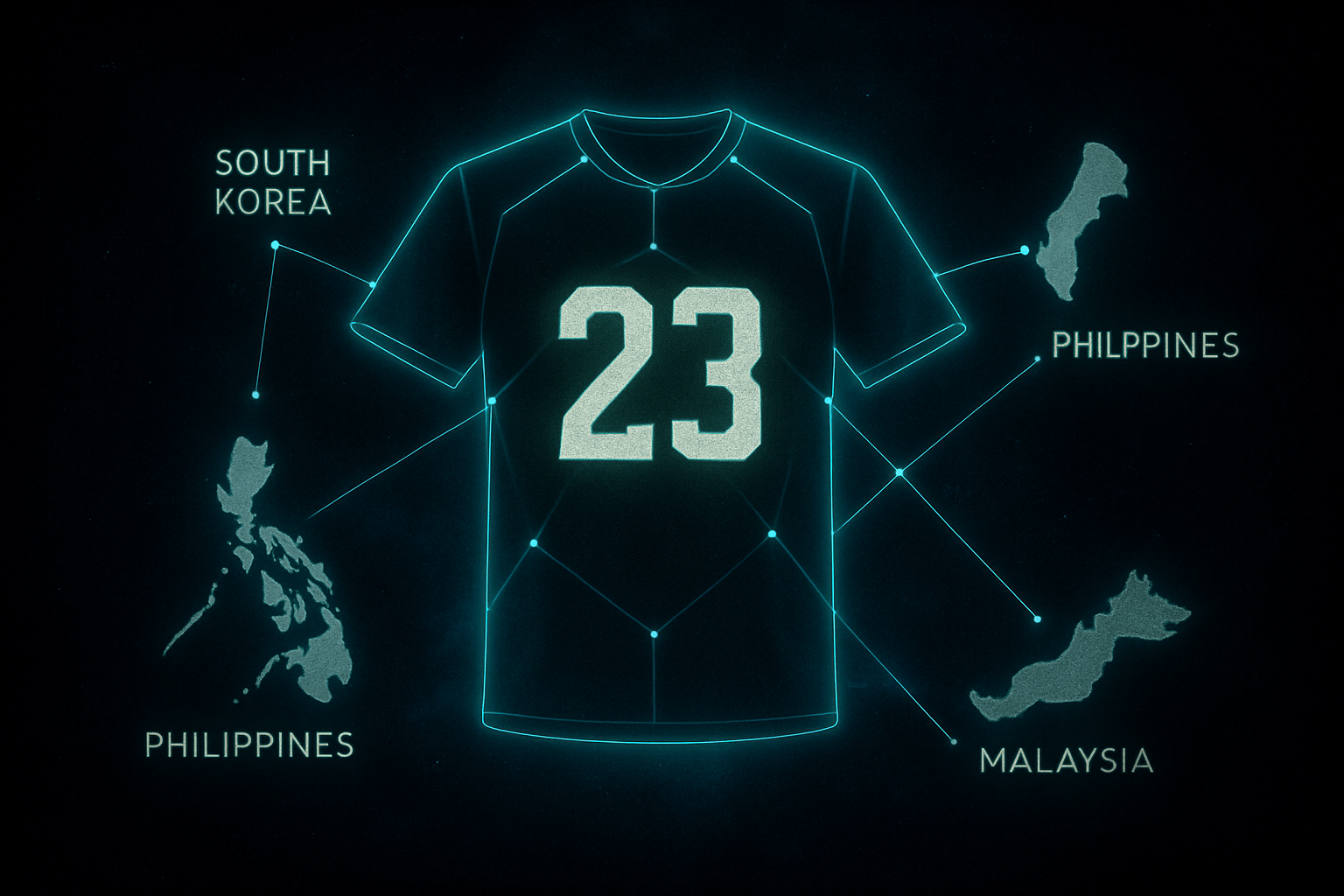
suspects fled Korea in 2016 and operated illegal gambling websites worth 2.6 trillion won from countries including the Philippines and Malaysia
.
The network’s history includes a notable marketing footnote.
The group advertised BetEast, a sports betting website illegal in Korea, on the jerseys of English Premier League club Swansea City and inside its stadium in 2016
. That front-of-shirt placement gave an unlicensed operator mainstream visibility in one of football’s most watched leagues, years before the scheme unravelled.
Why it matters for operators and affiliates
For licensed operators, the case is a reminder that illegal competitors can scale quickly and disguise themselves through conventional sports marketing channels. A network capable of securing a Premier League shirt deal was, at the time, indistinguishable to casual observers from a legitimate international sportsbook. That has direct relevance for affiliates and marketing teams, who face growing pressure to confirm licensing status before entering sponsorship, content or traffic-referral arrangements, particularly in jurisdictions with ambiguous or fast-changing enforcement regimes.
The scale of the alleged proceeds also signals how much revenue is still flowing to unregulated channels in markets where online betting is banned outright, such as South Korea. Every dollar captured by an illegal network is a dollar unavailable to compliant operators and the affiliates that drive traffic to them, reinforcing the commercial case for regulators and industry bodies to keep pressing on enforcement.
The bigger picture
This arrest is part of a wider pattern.
South Korea has been quite hawkish lately when it comes to illegal gambling, with authorities recently taking action against 26 people who accessed Polymarket to place trades
, an activity the government deems illegal. The same task force structure that produced this week’s arrests has also been used against separate, smaller-scale betting rings, suggesting a sustained institutional effort rather than an isolated case.
South Korean officials have also framed the arrests politically. Following the operation,
South Korean president Lee Jae-myung expressed gratitude to the UAE government, stating that suspects “cannot escape the judgment of the law by hiding abroad.”
That kind of high-level endorsement suggests continued resourcing for cross-border enforcement, which matters for any operator assessing the risk profile of grey or black markets in the region.
The timing also sits alongside a broader global tightening of gambling enforcement, from licensing reviews in Europe to outright bans elsewhere. Readers following that trend may also be interested in Tenstar Media’s coverage of Brazil’s ban on betting companies and the resulting market fallout, another example of regulators moving decisively against operators deemed non-compliant.
Sources
- iGaming Business – South Korea closes in on $2.3bn illegal gambling operation with UAE arrests
- Gambling News – Three South Koreans Arrested in UAE for Running $2.3B Gambling Scheme
- Focus Gaming News – South Korea repatriates two suspects from UAE in US$2.3bn gambling case
- Korea JoongAng Daily – Three Koreans arrested in UAE over $2.31 billion illegal online gambling ring
- VnExpress International – UAE arrests three Koreans in $2.3B gambling case tied to former Premier League shirt sponsor
Leave a Reply